In recent years, South Korea has solidified itself as a global force in beauty and skincare.
This reputation is driven by innovative formulations, trendsetting products and a cultural influence that has well and truly made it into the mainstream.
 And where Korean beauty and skincare has well and truly cemented their place on the international stage, Korean perfume has remained something of a backwater in the K‑beauty story. Until now.
For many years, the Korean fragrance market was dominated by recognisable and established Western brands like Chanel, Jo Malone, Diptyque and Byredo, while domestic offerings were limited or seen as less sophisticated. But now, Korean fragrance is no longer seen as just a niche curiosity; it’s claiming a place in both domestic mass culture and the global mainstream.
Korean Fragrance Brands
Just five years ago, local scent brands were mostly small, under‑the‑radar labels focused on domestic shoppers or niche perfume fans willing to explore boutique counters. Korean consumers, especially older generations , often favoured subtle “clean” or “fresh” scents over bold perfumes. But that is now changing as Gen Z and younger millennials embrace fragrance as a form of personal expression, identity and style. That shift mirrors a broader trend in global perfumery, where niche, story‑driven brands are prized as much for their narrative as for their scent profiles.

Korean Fragrance Brands to Watch out for
BORNTOSTANDOUT
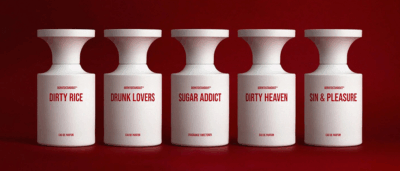
One of the clearest signs of this transformation is the success of BORNTOSTANDOUT. Founded in 2022 by Jun Lim, this brand has become emblematic of Korea’s new olfactory vanguard. What sets BORNTOSTANDOUT apart is its daring creativity, which includes unconventional notes like steamed rice, overripe banana, and nail polish, wrapped in bold conceptual packaging that challenges traditional perfume aesthetics. The brand’s artistic, sometimes subversive approach has attracted international attention earning them space in prestigious retailers like Selfridges and Harrods in London. Its breakout fragrances, such as Dirty Rice and Nanatopia, illustrate how Korean perfumers can disrupt expectations and reinterpret cultural motifs through scent.
Nonfiction
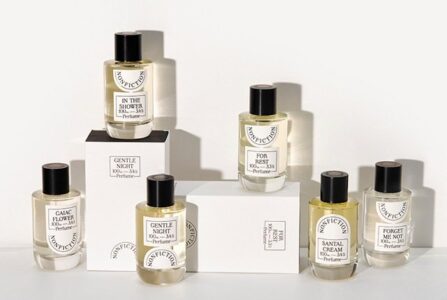 Nonfiction is a contemporary fragrance brand built on the belief that scent can be as intentional, expressive, and meaningful as the stories we tell.
Inspired by the idea that “truth is more compelling than fantasy,” Nonfiction creates perfumes rooted in authenticity, emotional resonance, and personal narrative rather than trends or escapism.
Their bestselling fragrances Gentle Night Rain and Santal Cream, capture mood and atmosphere rather than following conventional Western fragrance structures. Many of these offerings are gender‑neutral and designed around feelings or memories, tapping into how scent interacts with emotion.
Tamburins

Tamburins originally gained fame as a lifestyle and beauty brand, has now made a strong impression with perfumes like 000 (Triple Zero) that appeal to consumers who favour minimalist, artistic scent profiles and striking, Instagram‑worthy design. Known for blending scent, art, and sculptural design into a highly sensory experience, the brand approaches perfume, hand care, and body products as objects of expression rather than simple utilities.
Tamburins fragrances often balance raw, natural notes with abstract, almost artistic compositions, creating scents that feel modern, intimate, and quietly bold.
The Rise in K – Perfumes
Part of this newfound momentum comes from the structural growth of the Korean perfume market itself. Domestic interest in niche, premium, and value‑luxury fragrance segments has risen as consumers seek oils and eau de parfum that reflect individuality rather than generic mass appeal. Sales data indicates that niche perfume segments have been outpacing broader beauty categories, and Korea’s perfume export value has grown robustly thanks in part to brand entries into international retail channels.
Another factor driving this shift is the rise in customer expecting a level of storytelling and cultural identity in the scents they looks to purchase. Korean brands often foreground concepts like memory, mood, nature, and place. Minimalist packaging and modern design cues make these products visually distinctive, helping them stand out on shelves and social feeds alike.
Much of this shift is fuelled by social media and influencer culture meaning that Korean scents are no longer seen as quirky niche items but as legitimate contenders in the broader landscape of global perfumery.
Looking ahead, the path from niche to mainstream seems well underway. This drive towards a vibrant, creative storytelling narrative will likely see these brands continue to grow and develop.
Interested in learning more about latest Korean perfume launches?
At Carvansons, we spend a huge amount of time tracking and researching the latest fine fragrance launches. This work ensures we are able to stay ahead of the market with the latest trends and fragrance directions. We are able to support you with your latest project and provide advice around the latest trends. For more information about the K Perfume Trend contact our team.