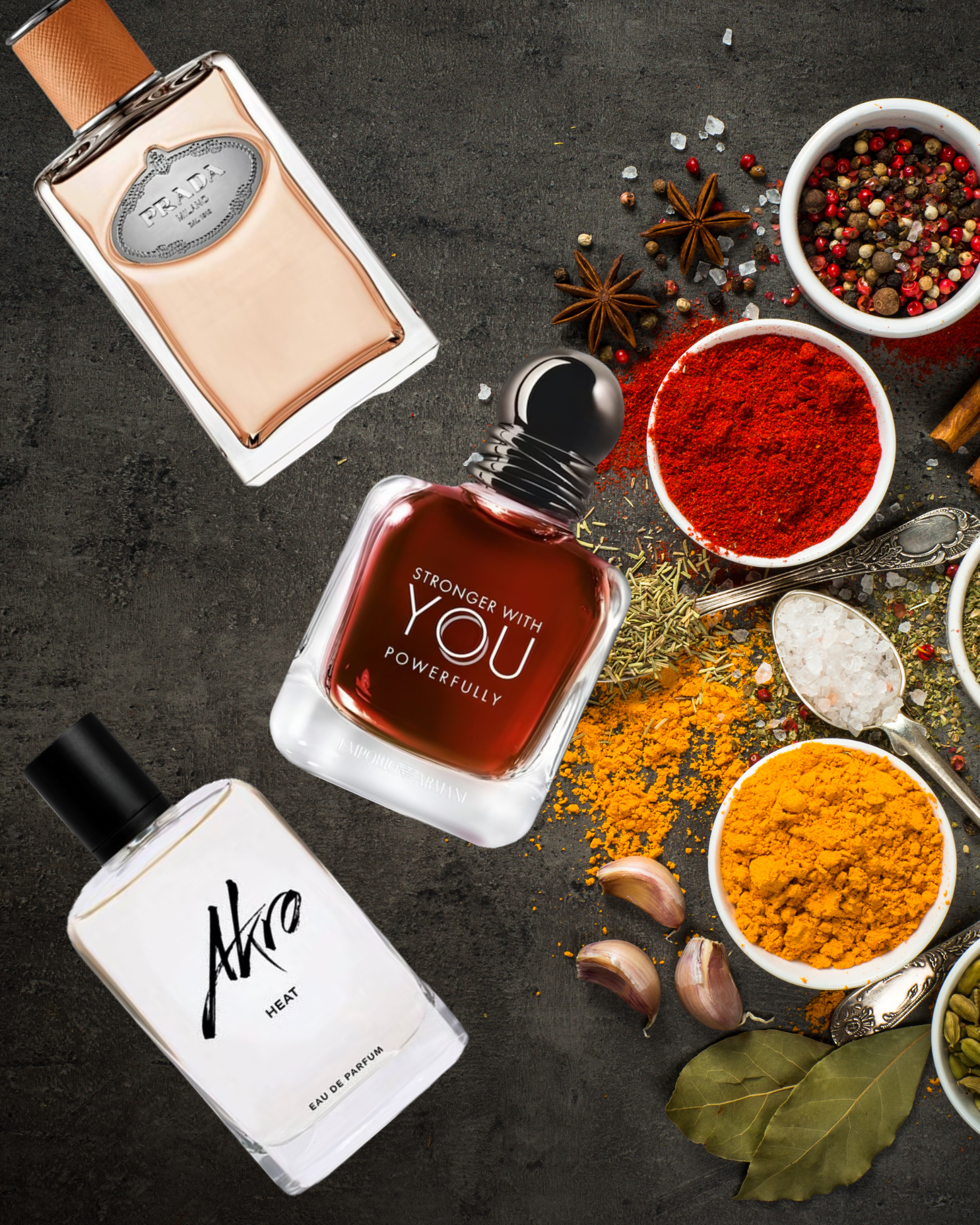
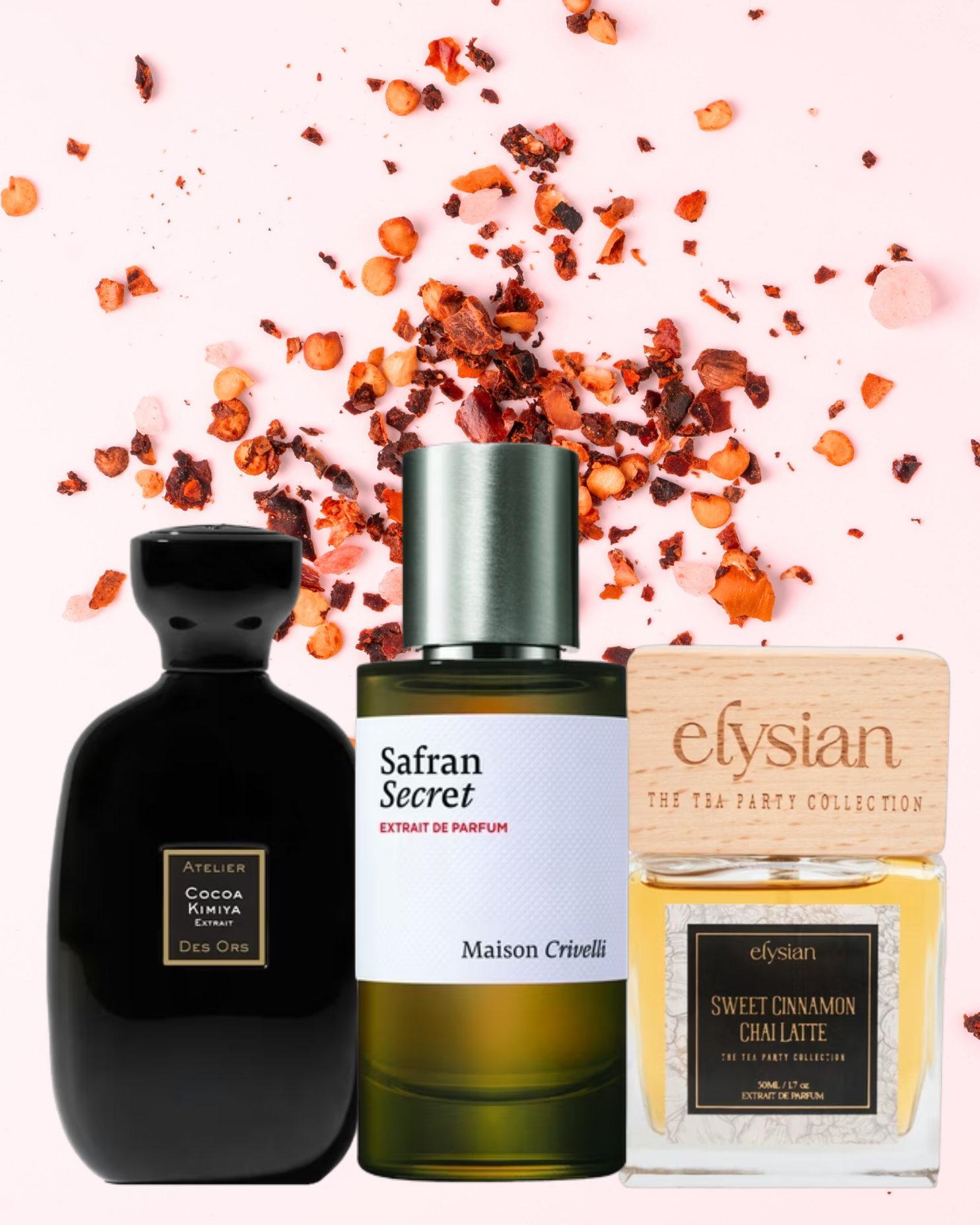
From the warmth of black pepper and cardamom to the richness of cinnamon, clove and saffron, spicy notes have been a cornerstone of perfumery for centuries. But today, spice is taking on a new role.
As fragrance moves beyond familiar sweet gourmands and consumers look for scents that feel more distinctive, complex and unexpected, spicy notes are becoming increasingly important. They can add warmth, texture and contrast to a fragrance — transforming an otherwise familiar composition into something with a little more edge.
Spicy notes are a broad and incredibly diverse category. They can range from dry and peppery to warm, sweet, woody or even fresh.
Black pepper is one of the most versatile. It can bring a dry, sparkling quality to the top of a fragrance, adding energy and lift without necessarily making the composition feel overtly "spicy".
Cardamom offers something softer and more aromatic, with a fresh, green-spicy character. It is particularly effective when paired with woods, citrus, musks and amber.
Cinnamon is warmer and sweeter, often creating a comforting, gourmand effect, while clove brings a darker, more intense spicy character with its distinctive aromatic profile.
Then there is saffron, prized for its rich, leathery and slightly metallic character. It can give fragrances a luxurious and contemporary feel and works particularly well alongside woods, amber and musks.
Other ingredients, including ginger, pink pepper, nutmeg and cumin, demonstrate just how broad the spicy fragrance family can be.

One reason spicy fragrances are so interesting is their ability to blur the boundaries between different fragrance families.
A spice can make a floral fragrance feel warmer. It can give a woody fragrance greater depth. It can make an amber fragrance feel richer or add contrast to a sweet gourmand.
This versatility makes spices valuable tools for perfumers.
Take vanilla, for example. On its own, vanilla can create a creamy, sweet and comforting effect. Add black pepper and the composition can suddenly feel drier and more sophisticated. Pair it with cinnamon and the result can become warmer and more indulgent. Add cardamom and it can take on a fresher, more aromatic character.
The ingredient may be small, but its impact can be significant.
Black pepper, basil, ginger, cardamom, sesame, tomato leaf and other aromatic ingredients can introduce a sense of contrast and intrigue. They don't necessarily replace sweetness; instead, they can make sweetness feel more complex.
Think of it in the same way as cooking. A pinch of salt can enhance sweetness. Black pepper can bring warmth. Ginger can add freshness and heat. Herbs can cut through richer ingredients.
Spicy ingredients are particularly useful because they can influence the personality of a fragrance without completely changing its identity.
A fragrance containing rose and vanilla might feel soft and romantic. Add saffron and the result could become richer and more mysterious.
A citrus fragrance can feel bright and refreshing, but introduce ginger or pink pepper and it can become more energetic and vibrant.
A woody fragrance can be given additional warmth with cinnamon, while cardamom can bring a cooler, more contemporary quality.
This ability to create contrast is increasingly valuable in a fragrance market where consumers are exposed to thousands of new launches every year and are looking for scents that feel individual.

When we hear the word "spicy", it is easy to imagine something fiery or intense. In perfumery, however, spicy notes can take many different forms.
Some are fresh and sparkling, such as pink pepper and ginger.
Others are warm and comforting, such as cinnamon and nutmeg.
Some are dry and aromatic, such as black pepper and cardamom.
Others are deep, rich and sensual, such as saffron and clove.
This gives perfumers a huge creative palette to work with.
The choice of spice, its dosage and the ingredients surrounding it can completely change the final impression.
Fine fragrance has long provided a platform for spices, particularly in oriental, amber, woody and chypre compositions. Today, however, their use is becoming increasingly broad.
Spicy notes can appear in modern florals, fresh fragrances, skin scents, gourmands and even minimalist compositions.
They are also particularly effective in unisex fragrance, where ingredients such as cardamom, black pepper, ginger and saffron can add character without pushing a fragrance firmly towards traditionally masculine or feminine territory.
This flexibility reflects a wider shift in fragrance towards more fluid and individualistic scent profiles.
As consumers continue to seek new olfactory experiences, the role of spice looks set to evolve.
Rather than simply adding warmth to a fragrance, spices can provide contrast, texture and surprise.
The next generation of spicy fragrances may move even further away from traditional interpretations, combining familiar spices with unexpected ingredients and exploring the boundaries between sweet, savoury, fresh and woody.
From the spice rack to the fragrance palette, these ingredients offer perfumers an opportunity to create compositions that are familiar enough to be inviting, but unexpected enough to be memorable.
Carvansons is a global fragrance solutions company specialising in scent design and fragrance selection for commercial environments.
Through a combination of creativity, technical expertise, and market insight, Carvansons helps businesses create memorable sensory experiences.
For the full list of regions Carvansons is able to service, click here.
Begin your fragrance journey, from early inspiration to full technical brief, we’ll work together to craft the scent that defines it.
This site uses cookies to monitor site performance and provide a mode responsive and personalised experience. You must agree to our use of certain cookies. For more information on how we use and manage cookies, please read our Privacy Policy.